 While our sunshine and balmy breezes feel nice during most of the year, winter weather can still leave you shivering in Pensacola. If your heater isn’t ready for colder temperatures, it can impact your family’s comfort and safety.
By learning more about the most common heating, ventilation, and air conditioning (HVAC) problems we see, you can ensure a high level of performance and energy efficiency this winter.
Quick Takeaways
- While Florida heaters are seldom used, they can still become worn over time.
- Some of the most frequent problems are dirty burners, electrical faults, and airflow issues.
- In Florida, salt air, poor maintenance, and humidity can result in corrosion and expensive repairs.
- To avoid costly repairs and poor performance, it’s essential to perform routine maintenance each fall.
Why Heater Tune-Ups Are a Necessity in Pensacola
In Pensacola, we have to deal with a coastal climate. The area’s humidity, salt air, and moisture can impact how well your HVAC system functions.
In addition, our winters are so short that it’s easy for homeowners to miss signs of a problem. Because of this, it’s essential to protect your home’s safety and energy efficiency through timely HVAC tune-ups. With proper care, you can prevent minor problems from transforming into unexpected HVAC failures and emergencies.
The Top Heater Problems We Find During Tune-Ups
As a leading HVAC provider in beautiful Pensacola, there are a few heater problems that we frequently spot.
1. Dirty or Clogged Burners
This is one of the most common problems we see. During the off-season, dust and debris can gather on your burner. Once it becomes clogged, its heat output drops.
Besides impacting your energy efficiency, this can also result in uneven heating performance. Fortunately, our technicians can quickly restore your HVAC unit’s combustion and ignition by cleaning the burner.
2. Faulty Thermostats
A faulty thermostat can cause uneven heating performance and short cycling. Sometimes, it can completely stop your home from heating up.
This typically occurs because of old, faulty, or miscalibrated thermostats. We can quickly remedy this problem by checking and recalibrating your thermostat.
3. Blower Motor or Fan Issues
Your blower motor and fan are responsible for distributing conditioned air throughout your home. When your unit suffers from motor failure, dirty fan blades, or worn bearings, it can inhibit your home’s airflow.
Fortunately, proper lubrication and cleaning can reduce the likelihood of expensive replacements and inconvenient breakdowns.
4. Electrical and Wiring Problems
In Florida’s humid environment, electrical components may end up becoming corroded over a short period of time. Our technicians can tighten loose connections, repair frayed wiring, and diagnose complex problems so that your home can avoid safety hazards and short circuits.
5. Dirty Air Filters and Restricted Airflow
A clogged filter can damage your HVAC system and increase your energy bills, which is why filter replacements are so important.
6. Ignition or Pilot Light Failures
Gas furnaces and hybrid systems can develop ignition issues due to worn ignitors, clogged gas lines, and malfunctioning sensors. Our technicians can test and clean components to ensure your family’s safety and comfort.
7. Corrosion on Heat Exchangers or Coils
In our coastal area, the salt air and moisture can quickly cause corrosion. In turn, this can lead to cracks and refrigerant leaks. The best way to avoid expensive damage and leaking refrigerant is through routine inspections.
8. Ductwork Leaks and Blockages
When ductwork becomes damaged, heated air escapes. This can increase your energy bills significantly. If you notice unexpectedly high energy bills, whistling sounds, or uneven heating, you may need to have your ducts cleaned and sealed.
9. Failing Safety Switches or Sensors
Safety switches and sensors protect your HVAC system from electrical faults and overheating, which is why you need a well-maintained system. During a professional tune-up, we can ensure your switches and sensors are functioning properly.
10. Low Refrigerant in Heat Pump Systems
If you use a heat pump, refrigerant leaks can cause your system to work harder than necessary. During your HVAC maintenance appointment, our technicians will test and recharge your refrigerant levels.
How Regular Tune-Ups Prevent These Problems
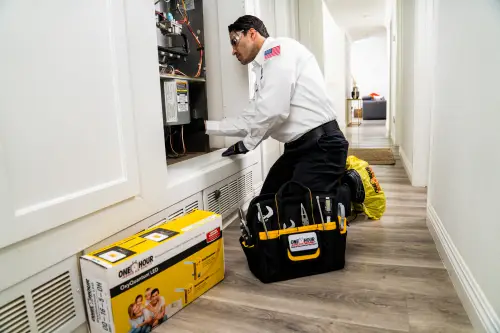 With a regular tune-up, you can catch minor problems before they snowball into complicated emergencies. During the inspection, we’ll clean, lubricate, and test your components.
Afterward, your family members can enjoy the benefits of having a high level of performance and comfort during the coldest months of the year.
Signs Your Heater May Need Service Before Winter
If you notice the following issues, you may need to schedule a professional tune-up.
- Uneven heating performance
- Poor airflow
- Weird sounds or odors
- Frequent cycling
- Energy bill spikes
FAQs
Over the years, we’ve heard a few common questions about wintertime HVAC maintenance.
How often should homeowners schedule a heater tune-up in Pensacola?
We recommend getting a heating tune-up each fall before winter begins.
What’s the most common issue during tune-ups?
Typically, clogged filters and dirty burners are the most frequent problems that we see.
Does coastal salt air really affect how well indoor systems work?
Absolutely. These factors can lead to corrosion, which can increase the likelihood of repairs.
Can I do any HVAC maintenance myself?
Filter changes and easy maintenance tasks can be handled on your own. For more complicated maintenance, you need a professional tune-up.
How long does a professional heater tune-up take?
It typically takes us one to two hours to complete each tune-up, although this timeline can vary.
Stay Warm This Winter
 You don’t want to wait for a major cold snap to complete your maintenance checklist. Our experienced HVAC technicians can quickly clean, inspect, and optimize your HVAC unit for superior wintertime performance.
We’re always on time, or you don’t pay a dime!
Call today to book your next HVAC tune-up!