 How Long Should a Heat Pump Last?
According to Hippo Insurance, a property insurance company, an estimated 42% of homeowners have experienced at least one critical HVAC system issue since owning their home. Many of these issues were related to failed or failing heat pumps.
What Homeowners Should Know About Heat Pumps
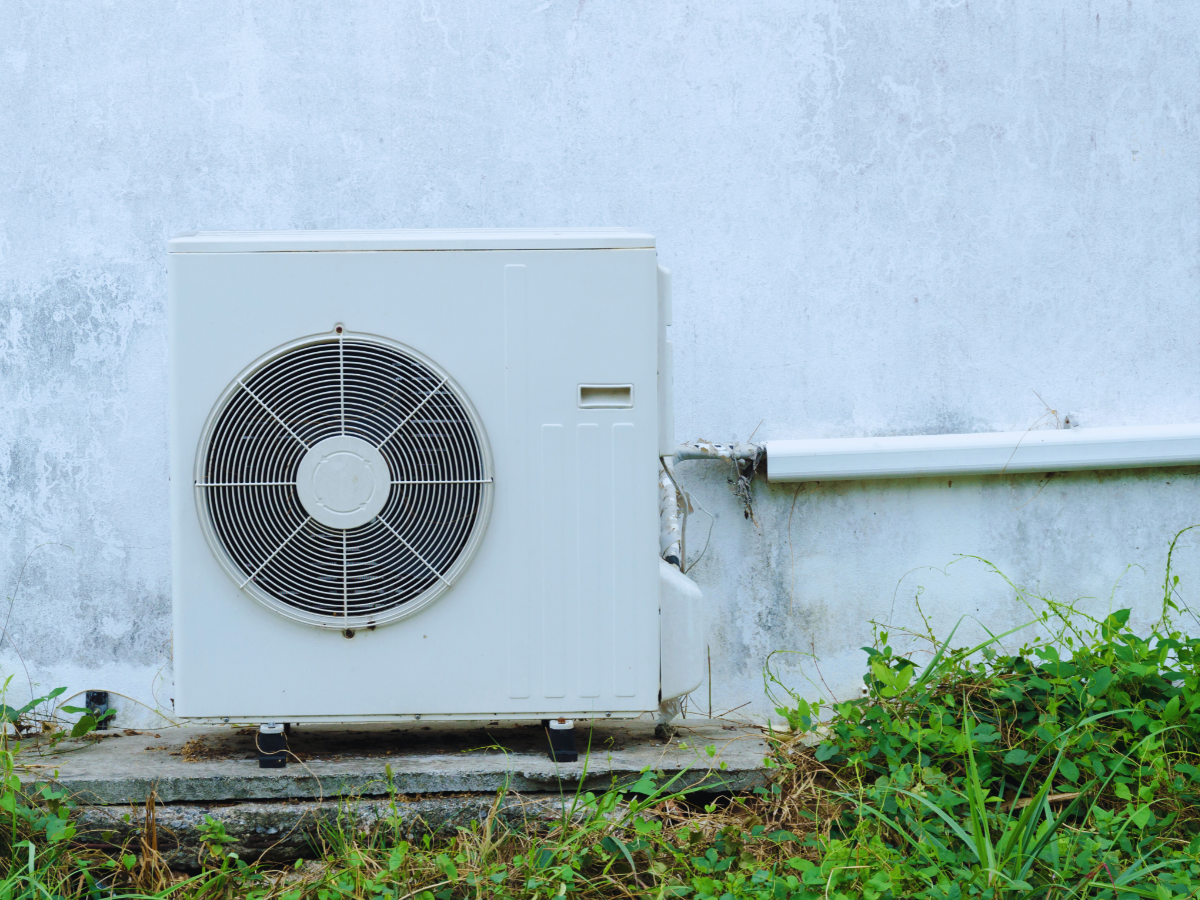
Heat pumps are electrical appliances that use a refrigeration cycle to transfer heat, allowing homes to maintain a consistent and comfortable indoor temperature. They are a good alternative to electric heating solutions, such as electric boilers, infrared heaters, and electric radiators, and an even better alternative to gas, oil, or biomass boilers.
That’s mainly because heat pumps provide year-round cooling, superior dehumidification, and better energy efficiency, all of which make them ideal for most Florida homes.
Winter and Summer Operation: Understanding the Dual Function of Heat Pumps
To further understand how heat pumps work, we need to get a better sense of how they operate during both the heating and cooling seasons. During the summer, these HVAC appliances operate like a standard air conditioner (AC).
That’s because they pull heat from inside the home and send it outside to help maintain a cool, comfortable indoor temperature. During the winter, heat pumps operate in reverse. They extract heat from the outside air and transfer it inside the home, which keeps indoor temperatures warm.
How a Failed or Failing Heat Pump Can Affect a Home and Its Occupants
When HVAC problems involving a failed or failing heat pump arise, it can cause several problems inside a home.
Some of the more notable ones include the following:
- Extreme indoor temperatures – When a heat pump stops working altogether, a home’s indoor environment, depending on the season, can become extremely hot or extremely cold. Meanwhile, a failing heat pump can cause uneven heating or cooling and significantly spike energy bills. Both scenarios can compromise the health of children and elderly individuals in a home.
- Frozen and burst pipes – When a heat pump fails or is beginning to fail in the winter, the pipes inside it, filled with water and refrigerant, can freeze and potentially burst. If they do, it can cause significant and costly water damage.
- Mold and mildew – When a heat pump fails or is about to fail, it can lead to excessive humidity in a home. An extremely humid indoor environment can lead to the development of mold and mildew, both of which can trigger respiratory, immune system, and other serious health problems.
- Structural damage – Even if they don’t freeze or burst, pipes in a failed or failing heat pump can still leak water and refrigerant, both of which can damage critical structural components in a home, such as floors, walls, and ceilings.
How Long Do Heat Pumps Typically Last?
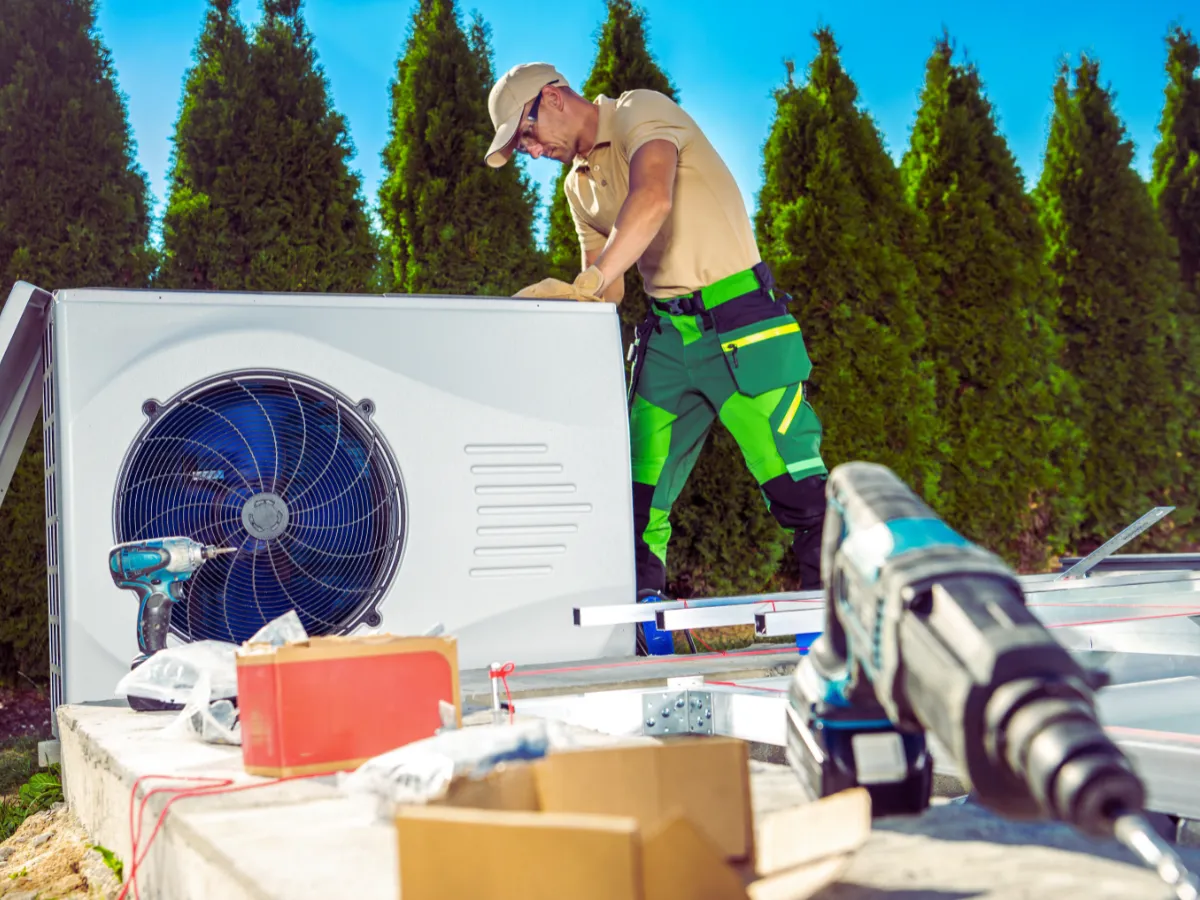 The most common heat pump in Florida homes is the air-source heat pump. According to most HVAC technicians in Pensacola and surrounding areas, these particular heat pumps have an average lifespan of 10 to 15 years.
Another popular heat pump in Florida homes is the ductless mini-split heat pump. These heat pumps typically last 10 to 30 years. It is important to note that these are only averages.
The following can cause these and other heat pumps to fail prematurely:
- Climate and usage – Temperatures that remain extremely high or extremely low for most of the year can spell disaster for a heat pump. That’s because they lead to homeowners running their HVAC systems for long periods.
- Lack of regular maintenance – Failing to change air filters every 1 to 3 months or scheduling routine maintenance with a licensed HVAC technician that includes coil cleaning and a general tune-up can lead to inefficient operation.
- Heat pump quality or installation quality – Whether it’s a low-quality heat pump or subpar installation, both can lead to premature failure. Purchasing a heat pump from an established, reputable manufacturer and having it professionally installed by a licensed and experienced HVAC technician can lead to fewer problems and a longer lifespan.
- Rusting and corrosion – In Pensacola and other coastal cities, airborne salt particles carried by wind from the ocean can cause damage to heat pumps and HVAC systems if not promptly removed. That’s because salt deposition causes rusting and corrosion on internal and external metal surfaces.
Signs That Suggest a Heat Pump Is Failing
Signs of a failing heat pump can include comfort issues, such as uneven heating or cooling, reduced airflow, or frequent short-cycling.
They might also show up as strange noises, foul smells, system freezes, or other operational issues. Efficiency and cost issues are also common, often presenting as higher-than-usual energy bills or frequent breakdowns.
Should You Repair or Replace a Failing or Failed Heat Pump?
When it comes to repairing or replacing a failing or failed heat pump, there are several schools of thought. Most HVAC technicians agree that if a failed or failing heat pump is less than 10 years old, it would make more sense for homeowners to have it repaired.
However, for units that are over 10 years old, many of the same HVAC technicians agree that it is better to replace them when major problems arise, especially those involving their compressors, or if they start to need frequent repairs.
Many HVAC technicians also advise homeowners to consider the $5,000 rule when deciding whether it is better to repair or replace a failed or failing heat pump.
For reference, the $5,000 rule is a mathematical equation that helps homeowners decide whether repairing or replacing their units is more cost-effective. It involves multiplying the age of an existing system by the estimated repair cost. If the sum of that calculation is $5,000 or more, it is better to replace the unit than to repair it.
Hire a Pensacola HVAC Technician Today
 To summarize, heat pumps are a critical component in a home’s HVAC system. And while they may last for years, they will eventually need to be repaired or replaced.
To learn more or to schedule a service call, consider contacting One Hour Pensacola Air Conditioning & Heating, the “we’re always on time or you don’t pay a dime” HVAC services company in Pensacola, FL.