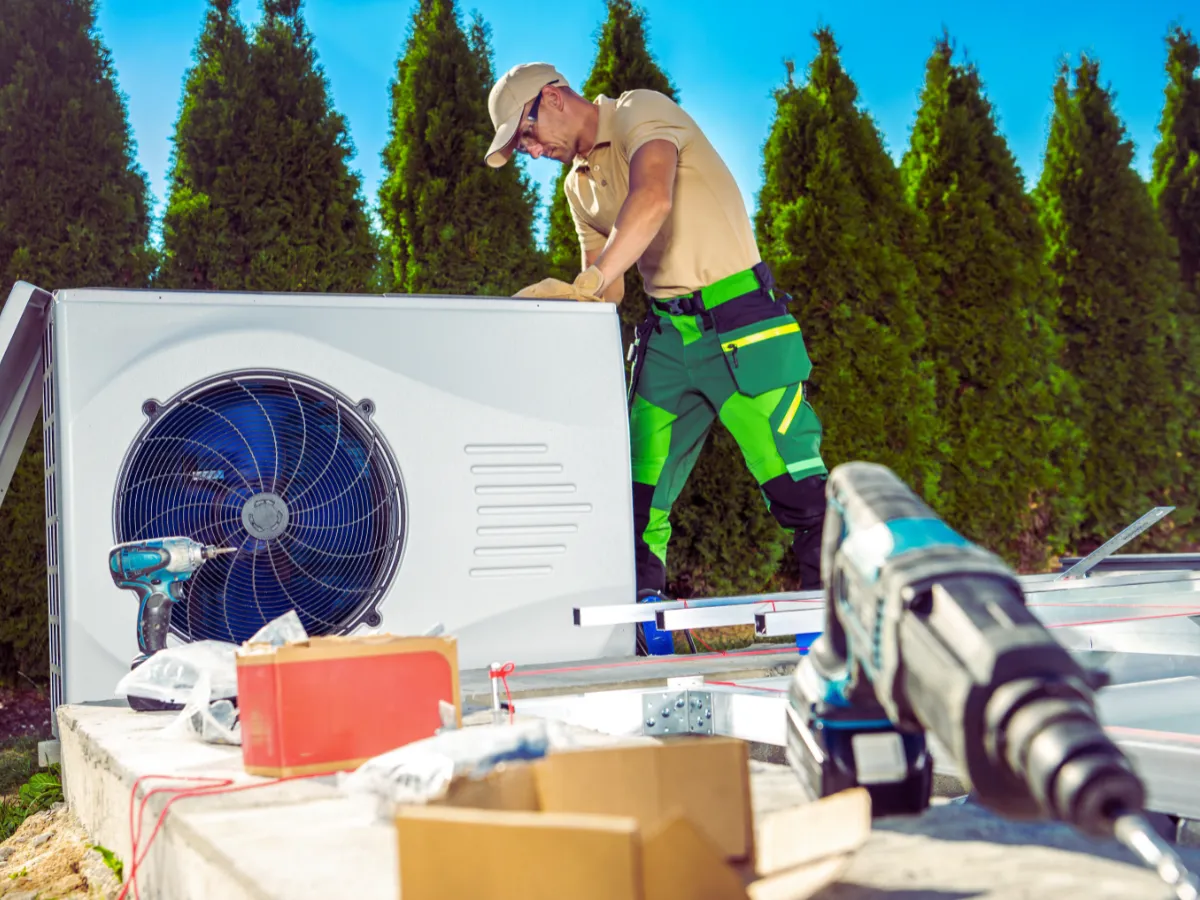
 Your home depends on your heat pump year-round because of the challenges posed by Florida’s heat and humidity. When your heat pump starts to fail, small problems can quickly turn into expensive breakdowns without prompt attention.
Because of this, it’s important to recognize the signs that your heat pump is failing so that you can take action before it completely breaks down. Pensacola’s salty air, combined with heavy usage, causes heat pumps to wear out faster than those in homes located in inland climates.
This guide explains seven signs that your heat pump is failing and what you can do before your unit stops working completely.
Quick Takeaways
- Frequent repairs mean your heat pump may be at the end of its life.
- Rising energy bills might signal that your system is losing efficiency.
- Strange noises or odors emanating from your heat pump point to worn or failing parts.
- Uneven heating or cooling means your system can’t keep up with your temperature requirements.
- System age (10–15 years in Florida) is the biggest predictor of heat pump failure.
- Early replacement saves money and prevents emergency breakdowns.
What Does It Mean When a Heat Pump Starts Failing?
A failing heat pump experiences frequent malfunctions, efficiency loss, or is unable to consistently heat and cool your home. In Pensacola, many homeowners depend on their heat pumps to cool their homes for eight to nine months each year.
This long cooling season accelerates your heat pump’s wear because of heavy use. As a result, you must recognize the early warning signs of heat pump failure to prevent damage from spreading and potentially save thousands on repair and energy bills.
7 Warning Signs Your Heat Pump Is Failing
1. Your Energy Bills Keep Rising
Rising energy bills might mean that your heat pump is losing efficiency. This can be caused by dirt accumulated on the coils or an older compressor.
Dirt works like an insulator and prevents the coils from transferring heat efficiently. This means your system will have to work harder to cool your home.
An aging compressor can also cause energy bill increases. Over time, internal components can become worn and prevent your heat pump from compressing refrigerant efficiently. When combined with other issues, such as leaks or an inefficient motor, your heat pump will have to work harder to maintain a consistent temperature.
Finally, Florida’s high humidity can lead to constant cycling and place added strain on your heat pump. It’s important to track your monthly usage patterns to understand why your energy bills are increasing and identify whether it might be due to a failing heat pump.
2. Uneven Heating or Cooling
Leaky ducts or refrigerant loss can create a temperature imbalance. This can lead to warm or cold spots in your home. Uneven cooling or heating can indicate a failing heat pump. If one room feels like a sauna and another like a fridge, it’s a clue.
3. Strange Noises or Smells
If you notice the following noises or smells, you should call One Hour Air Conditioning & Heating of Pensacola immediately:
- Grinding sounds
- Rattling noises
- Screeching sounds
- Burning smells
- Musty odors
Don’t ignore these signs. They can signal that your motor is failing or that your heat pump’s wiring is faulty.
4. Frequent Repairs or Short Cycling
Short cycling occurs when your heat pump turns on and off constantly. This can occur because of a variety of problems, including clogged filters, an improperly sized unit, a frozen evaporator coil, a refrigerant leak, or electrical issues.
These problems prevent your heat pump from working efficiently and cause it to turn off and on frequently to try to keep up with your thermostat setting.
Aging heat pumps often need frequent capacitor or relay replacements. As a rule of thumb, if you find that you need two or more major heat pump repairs in one year, it’s time to replace your system.
5. Weak Airflow
Dirty filters restrict airflow by presenting a physical barrier, which can lead to weak output. Compressor issues can also weaken your heat pump’s ability to move air because of reduced pressure and power. These problems can place a strain on your heat pump and lead to higher energy use.
If you’re experiencing weak airflow, you can complete a quick DIY check. Replace your heat pump’s filters, clean the vents, and remove debris. If your airflow remains weak, call the professionals at One Hour Air Conditioning & Heating of Pensacola for help.
6. Ice Buildup or Leaks Around Unit
If you notice water pooling around your heat pump’s outdoor unit or frost buildup, these signs indicate that your unit has refrigerant or defrost cycle problems. Even though Florida has mild winters and lower heat pump use, icing can occur when the coils are damaged. Ice buildup and leaks around your unit indicate your heat pump might be failing.
7. Age of the System (10+ Years in Florida)
While heat pumps typically last from 10 to 15 years, coastal corrosion from salty air and high humidity, combined with constant operation, can reduce their lifespan. The lifespan can be even lower if you have failed to regularly maintain your heat pump.
Even if your unit is still working, replacing it at 10 to 15 years can save money on energy and repair bills. Older units are less efficient and require more frequent repairs than newer models.
Repair vs. Replace – How to Decide
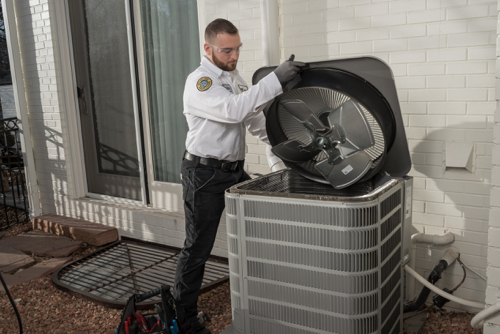 If you’ve noticed these warning signs, you might wonder whether you should repair your heat pump or replace it. To help you decide, use the 50% rule. Multiply the repair cost by your unit’s age. If it equals 50% or more of the replacement cost, it’s time to replace your heat pump.
Upgrading to a new SEER2-rated, variable-speed heat pump can also offer benefits. The US Department of Energy has established higher energy efficiency requirements for heat pumps, while older units are less efficient. This can translate into lower utility bills and cost savings over time.
You might also benefit from the energy benefits available to Pensacola homeowners. For example, the Energy Efficient Home Improvement Credit allows homeowners to claim a credit of up to $2,000 for installing an energy-efficient heat pump as long as you install it before Dec. 31, 2025. Local energy rebates or financing can also make replacing your heat pump more affordable.
How to Prevent Future Heat Pump Failure
To prevent future heat pump failure, take the following steps:
- Replace filters monthly.
- Schedule biannual maintenance before cooling/heating seasons.
- Keep the outdoor unit clear of salt buildup and debris.
- Install a surge protector for storm season.
- Choose proper thermostat settings to reduce cycling stress.
FAQ – Homeowner Questions About Heat Pump Failure
How do I know if my heat pump is failing?
If your heat pump needs frequent repairs or you notice poor airflow or uneven temperatures, it might be failing and require replacement.
How long should a heat pump last in Florida?
Heat pumps should last from 10 to 15 years. However, salt exposure to heat pumps in Florida can shorten the typical lifespan to eight to 12 years without proper, ongoing maintenance.
Should I repair or replace my old heat pump?
If your heat pump is over 10 years old, and the repairs will cost more than half the price of a new unit, replacing it is the better option.
What causes heat pumps to fail early?
Heat pumps can fail early because of neglected maintenance, dirty coils, improper installation, and humid coastal air.
Can I prevent my heat pump from failing?
Yes. You can prevent your heat pump from failing early by scheduling regular service and professional tune-ups, and by ensuring it has proper airflow.
Heat Pump Repair and Replacement in Pensacola, FL
 Don’t wait for your heat pump to fail if it shows any of these warning signs. One Hour Air Conditioning & Heating of Pensacola offers expert diagnostics, fast repair, and replacement backed by the promise.
When you choose us, you’ll find that we’re always on time, or you don’t pay a dime. Schedule your service today – we proudly serve Pensacola, Gulf Breeze, Milton, and the surrounding areas.